


- Does your child know that you would not let them fail, even if it means not taking risks?
- Does he/she need you always to even decide on what to play with?
- Do you do their school homework often?
- Does your child not get to take physical or mental risks?
- Are they afraid of putting their thoughts, ideas & questions before others?
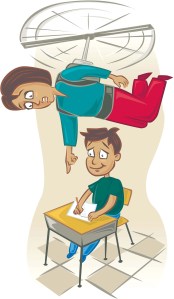
If the answer to these questions is affirmative then, you probably are a helicopter parent to your child. Though we can’t deny that most parents have good intentions behind it.
Modern-day kids often face cut-throat competition, easily get emotional, and have less time for cleaning or organization amidst their busy schedule. Parents merely try to ease them by involving themselves in their child’s life, wherever they can. They provide detailed do’s & don’ts, shelter them from problems, and negotiate for the best opportunities & resources, with good intentions. That comes under helicopter parenting. So, what does helicopter parenting do to children?
We agree parental involvement is crucial to a child’s development. However, over-involvement, constant hovering, coddling & pampering may lead to poor ‘adulting’ skills, low self-esteem and emotional consciousness in the later years. We don’t want that for our kids, do we? (Read more tips on how to be a conscious parent.)
So, what can a supportive (not stalker), loving (not obsessed), and well-intentioned caregiver (not a helicopter parent) do? Maybe stop fighting your child’s battle. Rather, prepare them for it.
- Discourage Tantrums
What if your daughter bursts in tears and throws away her belongings following a fight with friends? If you’re thinking of rushing to her rescue, swooping her in your arms and reprimanding the guilty party—hold that thought.
Why not give her time to cool down and sort her feelings? Let her come to you and talk about her problems. Talking about their emotions will help her understand how to control her outbursts and explore ways to manage feelings & mend up with her friends.
- Let Them Be
Your kid doesn’t sit down to finish his homework unless you sit down with him. You drop them off to a friend’s place, or to do little things for them, like setting their bags. Sounds familiar? Let’s cut the apron string this time!
It’s important to let kids figure out things by themselves. Be available, but create opportunities for independent decision-making & problem-solving. Letting them decide their clothes for the day, their lunch menu or daily time table are some great ways to exercise their decision-making capability.
Being a mentor and moral support to the children lets them reach their true potential.
- Avoid Training Their Trainers
Do you frequently raise questions before your child’s teachers on his/her behalf? Do you often give them advice on handling your kid? If yes, then you should probably stay away and let the child do the talking.
Working in groups, whether at school, on the playground, or at daycare, teaches children to manage everyday situations and cope with problems. And children can do that very well, given the opportunity & patience. You need to believe that your child can and that the coaches or teachers are responsible for what they do.
- Be A Mentor, Not A Housekeeper
Parents often complain about their kids lacking basic life skills (like doing laundry, cleaning wardrobe, organizing desk, etc.) as they grow up. It’s probably because we seldom put them in a responsible role, while at home. When everything is done and decided for us since childhood, it becomes very difficult to decide what we want, or what we have to do, as an adult.
Start early with small tasks around the house (like turning off the lights, watering the plants, making the bed, etc.), and build from there. Set realistic expectations, clear objectives & give appropriate instructions before they start. Also, praise a job well done!
- Do Not Play Safe Always
“Don’t go alone.” “Don’t climb so high.” “Don’t leave my hand.”
Turns out, parents always try to protect kids from any and everything. While it’s okay to shelter kids from potential dangers, preventing them from taking little risks may stunt overall development by lowering their self-esteem.
Here, we must remember to keep them safe, not cocooned. Let them fall from the cycle, as long as they learn how to ride it. Our job is to make them familiar with the dangers of driving on roads and being prepared to nurse scraped knees, not to prevent their growth as an individual by barring them from cycling, altogether.
Letting them fall every once in a while, and being there to help them get up is the key to positive parenting. Yes, it’s tricky and difficult at times, but the results are good for both children, as well as parents! They grow into responsible, empathetic, and skilled adults while we get the satisfaction of being a good parent.
 THE INFINITY SCHOOL