

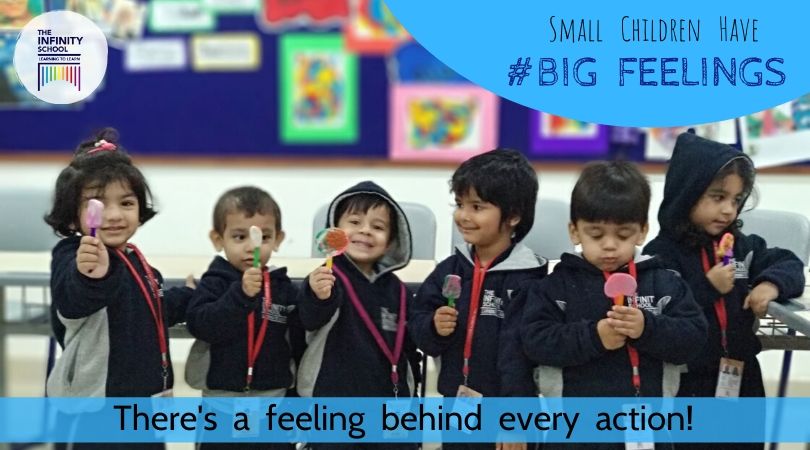
Fear. Anger. Passion. Curiosity. Happiness. Confusion. Amazement. Little children are made of big emotions because their action is a consequence of an underlying emotion. Parenting becomes easier when we learn how they’re feeling in different scenarios, and tweak our actions according to what’s best for them then.

Sometimes, what we see as ‘bad behavior,’ or ‘anger’, is actually their inability to recognize and express emotions correctly. Many child therapists believe that introducing a ‘feelings vocabulary’ in early childhood helps children understand their emotions better.
Tips For Developing Emotional Intelligence In Children: Understanding Fear, Love & Anger
- Fear

We’re born with a natural survival instinct that plays a big role in our defense mechanisms. In time, circumstances develop different kinds of fears in children. A survey by KidsHealth medical experts reveals that nightmares, thunderstorms, public embarrassment, strangers, funerals & injections are some common scenarios that scare all children.
Even petty fears, like the fear of exams & report card, loneliness, or breakups, make children feel rejected or abandoned, hence afraid. Understanding what scares them, talking about it, and showing them how to stay calm (Wow, that did sound scary but first, let’s take a deep breath & then revisit it.) helps master fear.
2. Anger
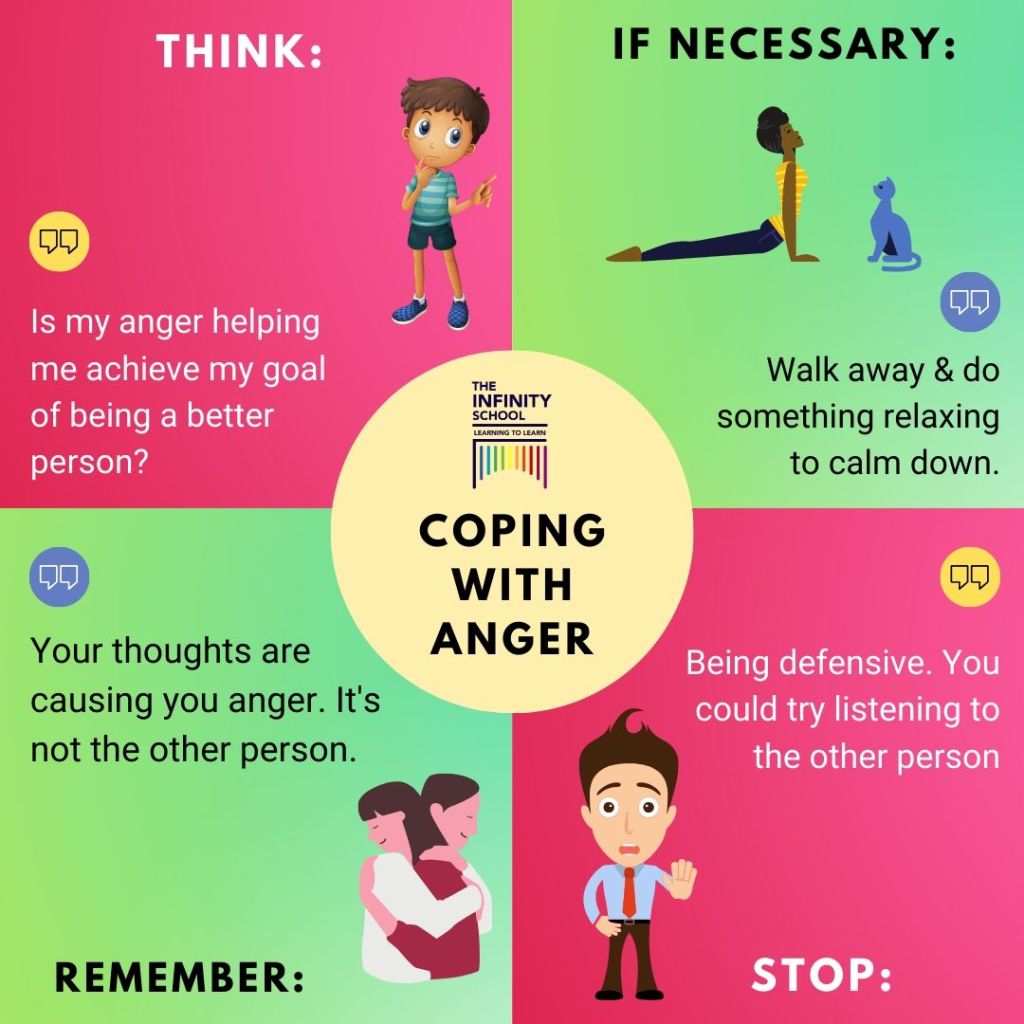
Anger, more than a feeling, is often a consequence of fear, distress or frustration. Kids get angry when they feel tired, anxious, hungry, overstimulated, hurt, disconnected or powerless.In some cases, they displace their anger by throwing away things or saying ‘No’ because they’re unable to verbalise what they feel. Here, we need to play ‘anger detectives’ not ‘angry’ detectives.
Look for patterns in their reactions & help children rate their anger on a scale of 1 to 10 It’ll help them understand how they’re feeling. Giving them a hug and saying kind words are short-term relaxations. Showing them how to stay calm in the long run is a better alternative.
3. Love
Love—the commonest of all feelings is often tricky for parents to explain to a pre-schooler. Child psychiatrist & physician Dr. Scott Carroll states that children’s understanding of love is based on acceptance, trust & everyday observations, like how we treat and care for them or keep them safe. When asked, “What’s love?” an eight-year-old replied—“It feels like I’m never lonely. Love is a mixture of love, appreciation & friendship. Just like how daddy reads a book when mom wants to, and mom watches TV when dad watches it because they sort of appreciate what the other likes or does & participate it to make them feel special.“Another six-year-old feels, “We should be kind and original to show others we love.”
It seems explaining love is simple after all. The key is to use concrete examples—actions kids understand, and to acknowledge their model for love. Child counselors believe kids who’re aware of human sentiments and can express them in a socially acceptable manner are more school-ready. They perform better (academically, professionally & personally), and are less likely to display behavior problems, as they’re in control of their feelings.
With appropriate exposure & practice, kids gradually develop emotional intelligence. Emotionally intelligent children are able to translate their positive emotions into meaningful actions, manage relationships, career & personal goals better, connect with their feeling & make informed decisions.
 THE INFINITY SCHOOL