

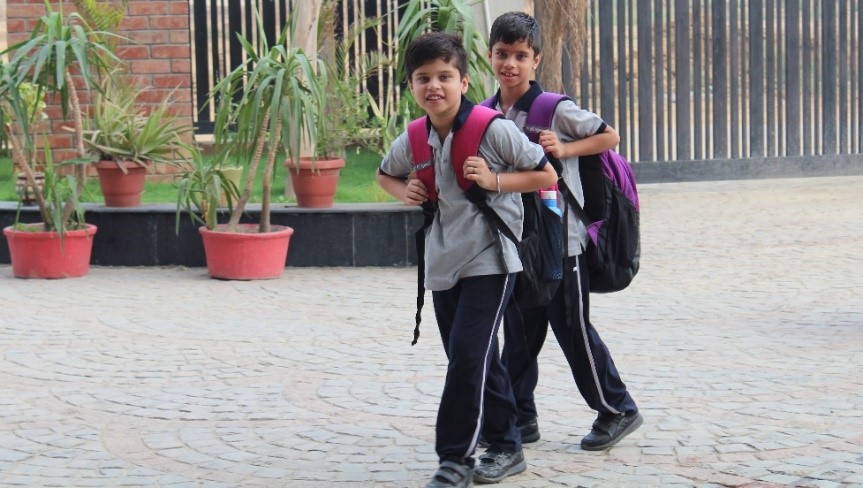
While some students are attuned to what teachers say inside the classroom, others may be impassive, hyperactive, slow responders, or mischief-makers disrupting class. Child behavior fluctuates remarkably within the same age group and environment, guided by good parenting, exposure, social interactions & academic practices. Since children spend a lot of time at school, did you know that certain academic practices can adversely influence child development and learning? E.g.,
- Rote learning
- Punishment
- Stressing on IQ
- Over-emphasis on marks & grades
- Lack of passionate educator
Understanding how the best educational practices influence child behaviour and moulding them can help prevent behaviour problems in children that lead to low self-esteem, bullying in schools, failures & school violence.
Relearning Some Educational Practices To Positively Influence Learners
- Meaningful Learning vs Rote Learning
Unknowingly, we end up pushing many repetitive activities without any goal setting or learning intention (e.g., math tables, important dates, practising handwriting, etc.) that aid rote learning unconsciously. The outcome is students absorb information, without understanding the impact & applications in real life.
Self-regulated learning with realistic goals followed by deliberate practice, can effectively substitute rote learning or spoon-fed learning. When children ask questions, they learn to look at things from different angles & explore more theories to find answers. So, rather than asking kids to practice a page of handwriting every day, why not ask them to write similar-looking letters first, or involve them in engaging story writing activity?
- Balancing Cognitive Intelligence (IQ) With Emotional Intelligence (EQ)
While cognitive intelligence helps children process, analyse, reason & memorise, emotional intelligence allows them to identify emotions, overcome negativities, connect & empathise with others. Nowadays, schools usually have open-ended discussions during assemblies & ‘downtimes’ to model positive emotions, maintain constant communication and nurture emotional intelligence in children.
Listening to what kids say and asking them questions about their feelings, builds awareness & contributes to a rich feeling’s vocabulary. Acknowledging emotions & accepting queries develop trust & mutual understanding that catalyses learning.
- Finding Alternatives To Child Punishment
Child punishment, whether corporal or verbal, damages student-teacher relationships, hampers learning and leads to low self-esteem, behaviour problems, school violence & aggression in children. We can substitute it with viable alternatives, like positive criticism (“You were so well-behaved when the class started. I didn’t like how you called your friend bad names later.”). By reassuring kids to keep up with good behaviour, meeting their underlying needs, and encouraging autonomous choices, we can prevent instances that call for punishments.
- Collaborating Score-based Assessments & Outcome-driven Achievements
The traditional ‘point & grade based’ test systems compel students to focus more on scoring higher numbers/grades & passing classes without much focus on improvement. Assessments for learning guided by scores (not scope for betterment) leaves kids ill-prepared to deal with real-world challenges.
Collaborating the point-n-grade based assessment for learning with formative assessments (like anecdotal records, structured feedback, pop quiz, diagnostic test, etc.) that focus on the identification of the weak areas, motivates kids to improve. When teachers acknowledge efforts with caring remarks, it’s more likely to drive the best performance out of students.
- Appointing Passionate & Skilled Educators
Educators fulfil a big responsibility in facilitating child development, at all fronts—social, emotional & cognitive. The behaviour, actions & values of a teacher have a long-lasting effect on students. Also, teachers who love to explore themselves, encourage kids to pursue their curiosity, explore the unexplored & learn independently, thus, supporting lifelong learning. Upskilling and continuous professional development of teachers inspires them to improve their quality of teaching, ensures their personal development, and contributes to the implementation of the best academic practices.
We need more educators who understand children and their needs. Teachers who’re optimistic, self-confident, inspiring, & masters of not just subject matter but also, real-life skills and social behaviour truly understand their role as a teacher. They connect well with little ones to make them feel loved and cared for. Above all, we need great educators, who humbly accept questions from children, address their mistakes & make attempts to improve themselves.
With time and age, education practices with innovative & viable alternatives need to evolve in the teaching-learning space to keep education relevant and children naturally motivated.
 THE INFINITY SCHOOL